

The connection between your vagus nerve and your mental health is deeper than most people realize. This isn’t just another stress-management idea — it’s a biological relationship that shapes how clearly you think, how steady you feel, and how quickly your body returns to calm after stress. When vagal tone is strong, your emotional world becomes more stable. Your mind stops getting hijacked by stress signals, and your body responds with a calmer heart rate, steadier breathing, and clearer focus. Understanding this relationship gives you leverage: you’re no longer guessing what’s wrong — you can actually influence how you feel at the physiological level.
“Sometimes, the simplest moments hold the deepest wisdom.
Let your thoughts settle, and clarity will find you“
Sometimes, the simplest moments hold the deepest wisdom. Let your thoughts settle, and clarity will find you. Use this quote space to share something inspirational or reflective, perfectly aligned with the theme of your article.
As researchers continue exploring the vagus nerve, one pattern stands out: people with higher vagal tone consistently show lower anxiety, better emotional resilience, and faster recovery after stress. This isn’t coincidence — it’s physiology. When the vagus nerve fires efficiently, it signals the brain that you are safe. Heart rate slows. Breathing deepens. Inflammatory markers drop. And your prefrontal cortex — the part responsible for problem-solving and emotional regulation — stays online instead of shutting down. Techniques like slow breathing, cold exposure, humming, and mindful movement activate these pathways. Over time, these small habits reshape how your nervous system handles real-world stress, giving you stronger mental stability from the inside out.
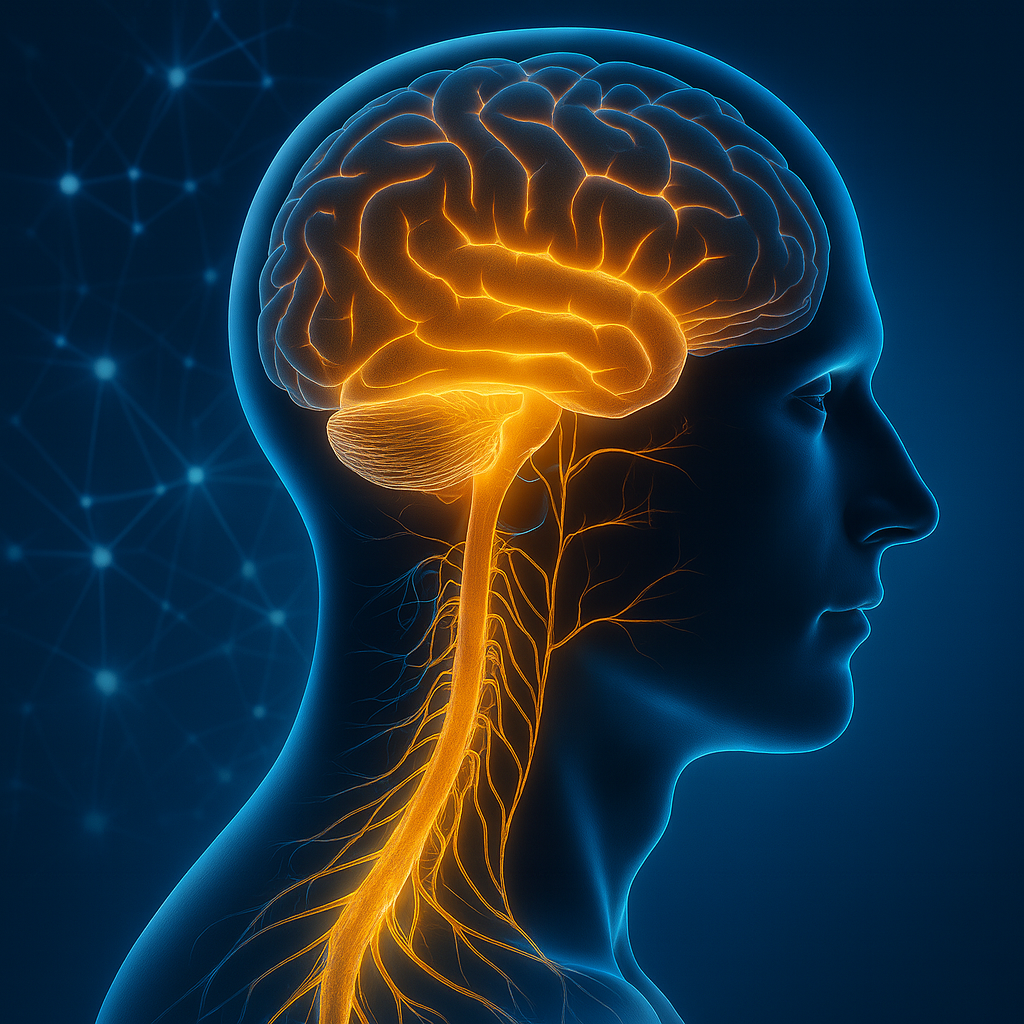

As you move deeper into this topic, it becomes clear that vagal tone isn’t just about feeling “more relaxed” — it’s about how efficiently your entire system communicates. When the vagus nerve isn’t functioning well, the line between physical symptoms and emotional symptoms gets blurred. A racing heart can feel like anxiety. Shallow breathing can mimic panic. Fatigue can register as depression. But when vagal tone is strong, those same signals become organized, predictable, and easier to interpret. This perspective shifts the conversation: instead of asking “What’s wrong with me?” people start asking “What is my nervous system trying to tell me?” That single reframing opens the door to better self-awareness, better emotional regulation, and a clearer understanding of how mind and body work together.
Bringing Your Mind and Body Back Into Rhythm
When you step back and look at the full picture, the connection between vagal tone and mental health becomes unmistakable. A regulated vagus nerve strengthens emotional stability, sharpens clarity, and restores the balance your body has been trying to find for years. The more you learn to read your nervous system, the less you’re ruled by stress responses and the more you’re guided by calm, intentional action. These aren’t abstract ideas — they’re measurable physiological shifts supported by current neuroscience and behavioral research. And the real takeaway is this: your mind doesn’t heal separately from your body. When you support your vagal tone, you’re rebuilding both at the same time. With the right tools, the right awareness, and the right practices, you can move forward with a nervous system that works withyou, not against you — a foundation for lasting mental and emotional well-being.
Leave a Reply